Bridging Perspective Gaps on Multi-Family and Build-to-Rent Projects
Developers and general contractors ultimately want the same outcome — a successful project. But they often approach that goal from different perspectives.
For developers, decisions revolve around financing, market demand, leasing goals and long-term investment performance. General contractors approach those same decisions through the lens of constructability, procurement, scheduling, safety and trade coordination.
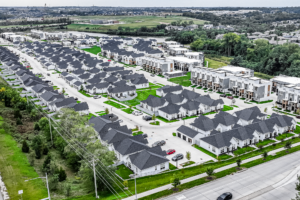
On multi-family and build-to-rent (BTR) projects, where hundreds of units, multiple buildings and phased occupancy introduce additional complexities, understanding these different priorities becomes especially important.
We connected with Cavan Companies, a leading build-to-rent developer, to explore what developers wish general contractors better understood and share the construction perspective from Ronco Construction. While each side brings different expertise to the table, the strongest partnerships begin with understanding what drives the other’s decisions.
What Developers Wish General Contractors Understood
For developers, a construction budget and schedule are part of a much larger financial strategy. Market rents, financing terms, land and infrastructure costs, leasing goals and investor commitments all influence how a project takes shape.
In BTR communities, developers must also consider the needs of future residents and long-term investors. Unlike traditional for-sale housing, these communities are built to lease, manage and potentially sell to an investor. That means decisions about product mix, density, amenities and finishes affect more than the initial construction cost.
“Build-to-rent is its own business. We’re building communities people will live in, renew in and recommend, and that an investor will want to own someday,” said Dave Cavan, Founder and Chairman of Cavan Companies. “A lot of that comes down to quality and the details residents notice every day. The GCs who understand that are the ones we want to build with again.”
A less expensive material or finish might reduce upfront costs, but if it increases maintenance expenses or affects resident satisfaction, those savings may not benefit the development long-term. Developers need contractors who understand these trade-offs and present solutions that support both the construction budget and the property’s future performance.
Predictability is equally important. Delays can increase financing costs, postpone rental income and affect investor commitments. An attractive initial price offers little value if unexpected change orders and schedule disruptions follow.
When challenges arise, developers don’t necessarily expect an immediate solution. They want early communication, practical options and a clear understanding of potential cost and schedule impacts. Knowing about an issue before it becomes urgent gives them more opportunities to make informed decisions.
These priorities become especially important when construction and occupancy overlap.
For phased developments, delivering completed homes allows developers to begin leasing and generating rental income before the entire community is finished. However, the first residents expect more than a completed unit. They expect a welcoming, functional community.
“We phase our communities to lease faster and reach stabilization sooner,” said Norm Miller, CEO of Cavan Companies. “That means the first homes, the clubhouse and the amenities have to look finished and feel like home while construction continues down the street. The contractors we value most plan for that as part of the team. They have skin in the game, because their reputation is on that community too.”
That requires contractors to consider landscaping, amenities, resident access and the separation of occupied areas from active construction long before the first residents move in. These details influence leasing performance, resident satisfaction and the community’s long-term success.
What General Contractors Wish Developers Understood
From a general contractor’s perspective, some of the most important construction decisions happen before crews ever arrive on site.
Site planning, product mix, infrastructure and phasing establish the foundation for how efficiently a development can be built. These early decisions influence procurement, equipment requirements, subcontractor coordination and the overall construction schedule.
On developments with hundreds of units, repetition can create significant efficiencies, but it can also magnify the impact of changes.
A seemingly minor adjustment to a floor plan, finish or building component may affect material orders, trade schedules and inspections across dozens or even hundreds of units. What appears to be a simple revision on paper can create substantial challenges in the field.
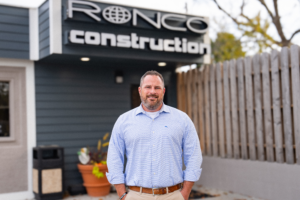
“One of the biggest things we want developers to understand is how much influence early decisions have on the entire project,” said Zak Olsen, President and CEO of Ronco. “A small change might seem simple on paper, but when you’re repeating that change across hundreds of units, the impact on cost and schedule can be significant.”
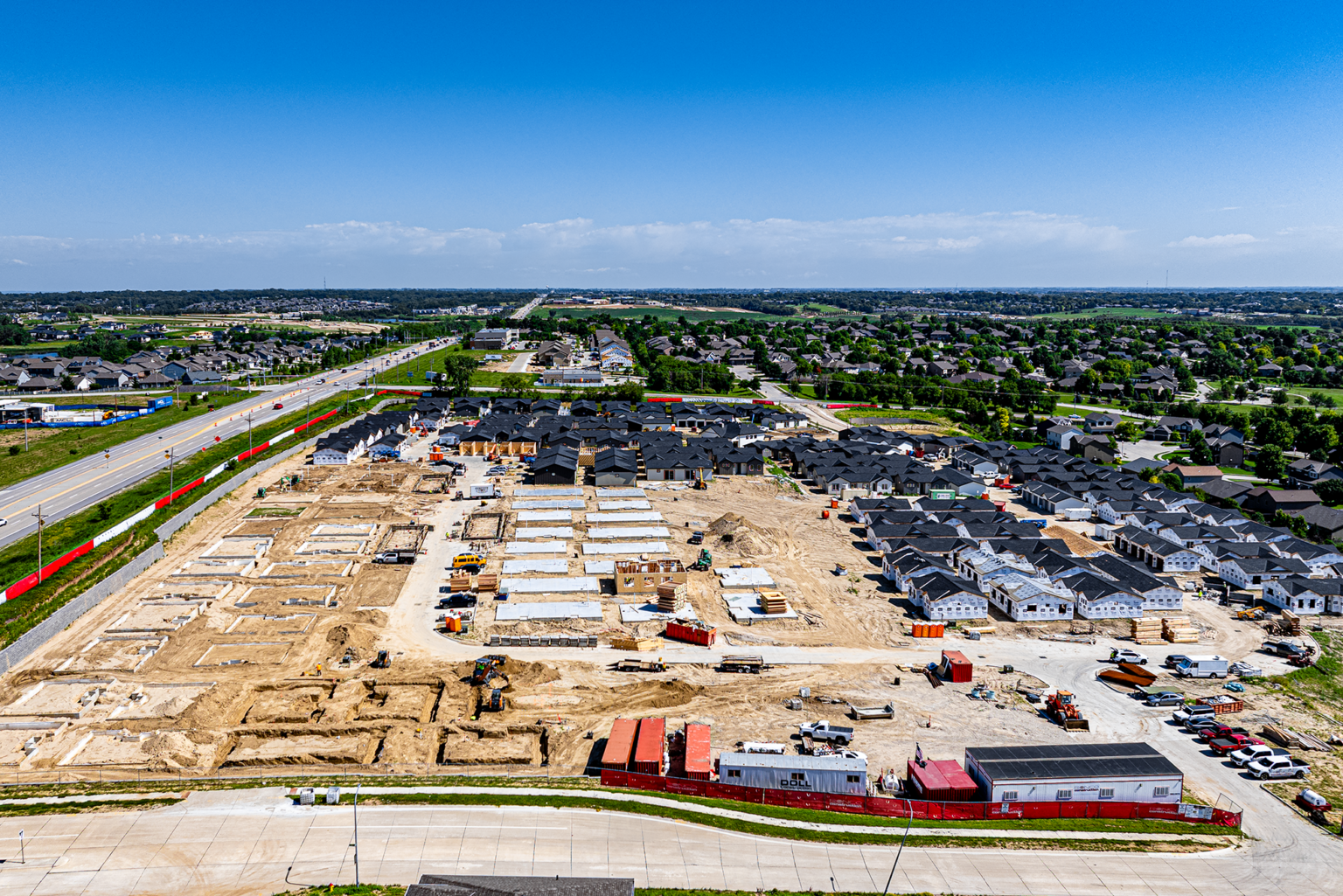
Maintaining momentum requires more than an established schedule. Labor availability, material procurement, inspections, equipment access and trade coordination must align to keep multiple buildings progressing simultaneously.
Build-to-rent developments add another layer of complexity because horizontal infrastructure and vertical construction must work together across a larger site. Roads, utilities, grading and foundations may progress alongside building construction, creating dependencies that require careful sequencing.
When one activity falls behind, the effects can extend across multiple trades, buildings and phases.
On larger developments, consistency is what keeps production moving. When crews have the materials, information and access they need, we can maintain momentum. But when decisions are delayed or plans change, that can create a ripple effect across multiple trades and buildings.
For general contractors, timely decisions and clear direction aren’t simply about convenience. They help maintain productive workflows, protect the schedule and minimize unnecessary costs.
Contractors also recognize the value of understanding a developer’s larger objectives. When the construction team knows which milestones affect leasing, financing or investor commitments, it can better evaluate sequencing, procurement and alternative solutions.
The earlier those conversations happen, the more opportunities the team has to make meaningful improvements before construction limits its options.
Where Better Alignment Makes the Difference
While developers and general contractors approach projects from different perspectives, their priorities are closely connected.
A developer’s leasing strategy influences construction phasing. A contractor’s procurement plan affects financial predictability. Material selections impact both construction efficiency and long-term maintenance. And decisions made early can shape the resident experience long after construction is complete.
Better alignment begins by defining what success looks like for the entire development, not just the construction phase.
That means establishing priorities around budget, schedule, quality, leasing and turnover before major decisions become difficult or costly to change. Bringing contractors into preconstruction conversations creates opportunities to evaluate alternative materials, construction methods and sequencing strategies while maintaining the developer’s vision.
As construction progresses, open communication becomes just as important. Developers benefit from early warnings, transparent cost information and practical recommendations. Contractors need timely decisions, clear direction and an understanding of how development priorities may evolve.
“We don’t expect developers to know every detail of construction, just like we don’t know every detail of their financing or leasing strategy. That’s why we’re partners. When we acknowledge and understand what each other is trying to accomplish, we can make better decisions for the entire project,” said Olsen.
Ultimately, successful multi-family and build-to-rent projects require more than individual expertise. Developers bring market knowledge, financial strategy and long-term vision. General contractors bring the planning, coordination and construction expertise needed to bring that vision to life.
The strongest partnerships recognize that neither perspective exists independently of the other. By understanding the priorities driving each other’s decisions, developers and contractors can anticipate challenges, make more informed choices and deliver communities that succeed well beyond construction.
Because the best projects aren’t built by one side alone. They’re built by teams working toward the same goal.