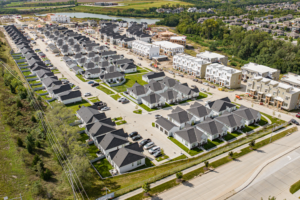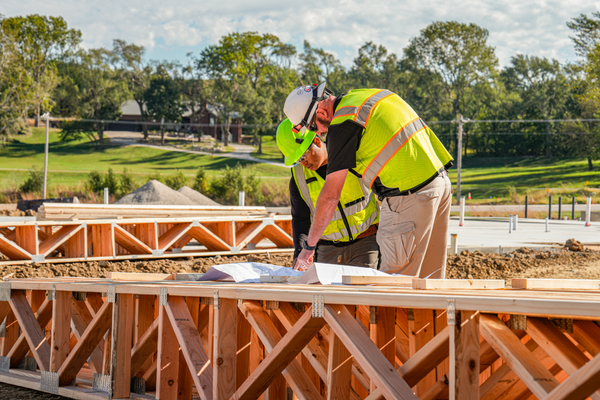
Lessons from the field on coordination and planning.
On a multi-family project, trade partners experience project coordination in real time.
They see when schedules work, crews have what they need and delays begin affecting downstream trades. They see the difference between having a plan and executing it as a team.
Across conversations with experienced trade partners, several themes consistently rise to the top — realistic planning, clear communication, strong sequencing and a team willing to work together when conditions change.
For owners and developers, these perspectives provide a valuable look at what helps keep a multi-family project moving.
As a general contractor working across the Midwest, we’ve built an extensive network of trade partners with different areas of expertise and experience. Every project is different, and part of our job is matching the right partners to the needs of each one. These perspectives offer a firsthand look at what keeps a project moving in the field.
Planning for a Strong Start
A well-run project often shows signs of success before crews ever arrive onsite.
Trade partners need more than a date on a schedule. They need clear scopes, finalized information and an understanding of where their work fits within the larger construction sequence. That information helps them plan manpower, order materials, coordinate equipment and prepare their crews.
“Project readiness tells you a lot about how a project is going to be managed,” said Nick Doll, Owner of Doll Construction.
“When the project is ready to go before work begins is a good indication that it has been well planned,” Doll shared. “Having the contract, financing and necessary permits in place allows everyone to start with a clear understanding of the project and their responsibilities.”
Early involvement can also uncover issues that may be much harder or more expensive to address later. Trade partners bring firsthand knowledge of installation, production rates, material requirements and constructability. Early trade partner input helps identify conflicts, clarify scope and find efficiencies before construction begins.
Early involvement can also uncover issues that may be much harder or more expensive to address later. Trade partners bring firsthand knowledge of installation, production and constructability that can strengthen the plan before work reaches the field.
“Preconstruction meetings that include the other subcontractors are extremely valuable,” shared Mike Buschner, VP Field Operations at Standard Heating & Air Conditioning Inc. “They allow trades to coordinate their work, identify potential conflicts and find efficiencies before construction begins.”
Early trade partner input helps resolve conflicts, clarify scopes and improve sequencing before crews mobilize.
Keeping Multi-Family Construction Moving
Once construction begins, sequencing becomes especially important.
Multi-family projects often require several trades to move through similar units, buildings or phases in a specific order. When that sequence works, crews can establish a rhythm and carry it throughout the project.
When it does not, productivity can quickly suffer.
“Good sequencing allows our crews to work more efficiently,” shared the concrete contractor. “When the work is properly coordinated and each trade can complete its work before the next trade comes in, our crews can stay productive instead of waiting or working around other trades.”
That repeatability is one of multi-family construction’s greatest opportunities, but it depends on consistency. Crews need areas ready when expected, materials available when needed and enough space to perform their work without competing with several other trades.
Even basic jobsite conditions matter. Clean work areas and reliable access can help crews move efficiently from one unit to the next. Planning for temporary heating and cooling, equipment rentals and phased turnover helps prevent manpower and schedule disruptions.
The schedule also must reflect what is actually happening in the field.
Weekly coordination meetings, job walks and direct conversations with trade partners give project teams an opportunity to compare the plan against field conditions. Early communication helps the team adjust quickly when crews fall behind, materials arrive late or conflicts arise, preventing those issues from impacting downstream trades.
As Rick Stinson, Foreman at Standard Heating & Air Conditioning Inc. put it, “An effective general contractor needs to remain engaged beyond what appears in schedules and reports. Being present in the field and regularly communicating with the people performing the work provides a much clearer picture of what the project needs.”
What Trade Partners See in a Strong General Contractor
The technical side of coordination matters, but trade partners repeatedly point to something less tangible as well — the relationship.
“A lot of it comes down to communication, planning and accountability,” said Stephanie Yeager, Industry Engagement Manager at Ronco. “Trade partners want to know what’s expected of them, when they need to be onsite and what they can expect from Ronco.”
That means answering the phone, following through on commitments and addressing problems without immediately looking for someone to blame.
It also means listening.
Trade partners are closest to their scopes of work. Their experience can reveal a better sequence, identify a constructability issue or uncover an efficiency that may not be obvious from the plans alone. On one project, for example, a trade partner had its foreman verify truss layouts both on the plans and physically in the field before beginning work. That additional check helped identify potential conflicts before installation, reducing the risk of rework and schedule delays.
Those conversations become easier when relationships extend beyond a single project.
When a general contractor and trade partner have successfully worked together before, both sides already understand expectations, processes and how the other operates. That familiarity can shorten the learning curve and make it easier to have candid conversations when challenges arise.
For owners and developers, that can translate into a more cohesive project team, faster problem-solving and fewer surprises.
“When we have good relationships with our trade partners, everybody wins, including the owner and developer,” Yeager said. “Our partners understand how Ronco operates, we understand how they operate, and we can hit the ground running.”
Better Projects Start with Alignment
Successful multi-family construction requires more than getting the right trades under contract. It requires creating the conditions for those trades to do their best work.
Clear scopes establish expectations. Realistic schedules give crews something they can actually plan around. Strong sequencing creates a repeatable workflow. Consistent communication allows the team to adjust when conditions change.
But across each of those areas, the same idea continues to surface — everyone needs to be working toward the same goal.
Trade partners see firsthand where project plans succeed and where coordination begins to break down. Giving those partners a voice, respecting their expertise and involving them in solving problems can strengthen decisions throughout construction.
For Ronco, that’s an important part of what it means to be an Omaha and Kansas City multi-family general contractor. The strongest projects bring individual teams together as one. They plan together, communicate openly and recognize that each partner’s success moves the entire project forward.